CURRENT OBJECT: VIKING3
 Previous vacation rental in Saaremaa Previous vacation rental in Saaremaa | Next vacation rental in Saaremaa  |
| Next vacation rental in Estonia |
Current region: Europe > Estonia > Saaremaa > Rannaküla | Add to your favorite list Your favoritelist |
| List of vacation rentals Saaremaa | |
| List of vacation rentals Estonia | |
| List of countries |
Village at seacost
 |  |  |  |  |  |  |
| More pictures... | ||||||
Rental Price20 Euro per room per nightPrice includes following expenses
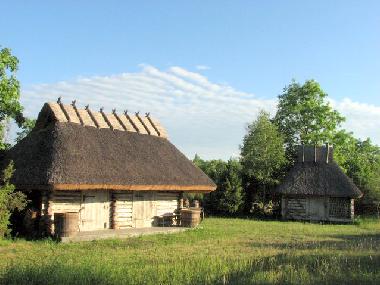
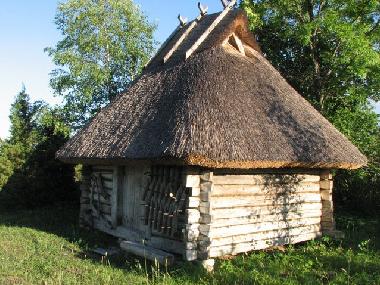
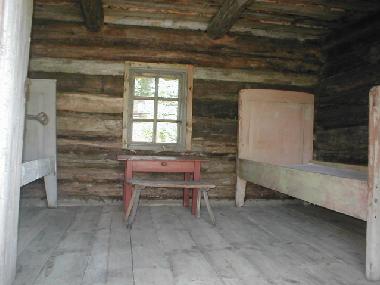
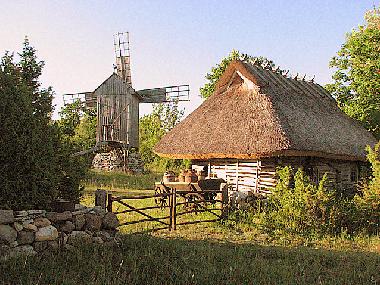
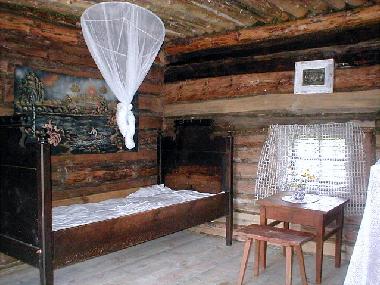
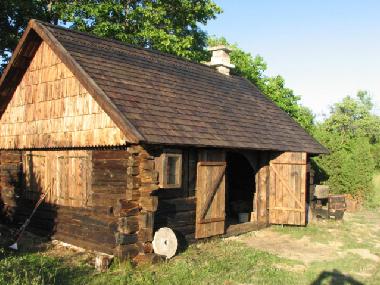
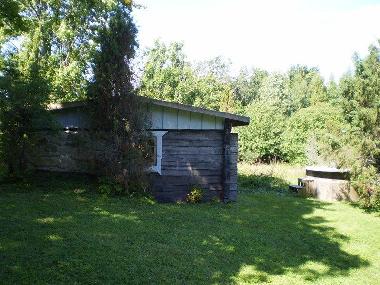
Description of objectA unique opportunity to experience how people lived in Saaremaa in the old times. We offer a cottage, or rather an outhouse, with one room and old-fashioned furniture (in good condition).Modern comforts would only spoil the impression of the house but for preparing food and having your meal there is an outdoor kitchen in a separate building, see pictures. This outdoor kitchen is shared with the other two huts on this property A privy is conveniently located close to the house. In the house you find two beds, a table with two stools, hooks for your clothes and a chest. Please observe that in cold weather you may need sleeping bags as there is no heating in the house. There is no electricity in the cottage, but near the house is an outlet you can use, for instance for charging your phone. A new, detached sauna building will be ready spring 2009. Heating this sauna and filling the wooden hot tub for you is at additional fee of 50 EUR By the beach you find secluded picnic-tables and a volleyball-field. The beach is however rather private and never crowded because it is not very easy to find. There is a boat you may rent and there is lots of fish in the bay. The house can be rented for any time period also in peak season, why not try this place 2 nights in connection to your stay on the mainland? NB! For each stay here a fee of 10 EUR for cleaning and electricity will be added. If you are a larger group of people visiting Saaremaa you may want to look at the other two huts on this property: - Viking1 (for 6 people) - Viking2(for 4 people) Location of objectThe house is situated in the south coast of Saaremaa near a protected bay. It is just far enough from the sea to avoid the breezes and close enough for a stroll down to the beach (~1000 meters). The surroundings are very beautiful.Town: Estonia, Valjala, RannakülaSaaremaaSaaremaa is the largest island belonging to Estonia, measuring 2,673 km². It is located in the Baltic Sea, south of Hiiumaa island. The island forms the main barrier between the Gulf of Riga and the Baltic Sea. Discovery Network has chosen Saaremaa to be one of the 1000 places to visit before you die. 20 of the best bargain holidays in Europe for 2013 If you don't want to slob out on a beach, but don't want to go long haul, try one of these bargain breaks for activities, rural retreats or exploration Birds and beasts, Estonia One of Europe's great unsung hotspots for wildlife, the Estonian countryside boasts pygmy owls, black storks and the wonderful Steller's eider. If birdwatching is not your thing, mix and match some brown bear or raccoon dog tracking, an elk and wild boar safari, a beaver boat trip and, brilliantly, an expedition to watch flying squirrels. EasyJet and Ryanair fly to Tallinn from various UK airports The capital of Saaremaa is Kuressaare, which has about 15,000 inhabitants; the whole island has over 39,000 inhabitants. The island is called Saaremaa in Estonian, and in Finnish Saarenmaa — literally 'isle's land'. The island has lots of forested terrain. One of the symbols of the island is the juniper. Saaremaa is reached by ferry from Virtsu on the Estonian mainland to Muhu island. Saaremaa can also be reached by ferry from Sõru on Hiiumaa. In winter it is possible to drive to Saaremaa by an ice road between the mainland and Muhu. There are regular bus services from Tallinn, Pärnu and Tartu on the mainland, which use the ferry from Virtsu to Muhu. There is an airport at Kuressaare. It is possible to fly from Kuressaare to Tallinn by Estonian Air, and there are also seasonal flights to Pärnu and Stockholm. History According to archaeological finds, the territory of Saaremaa has been inhabited for at least 5000 years. Saaremaa was the wealthiest county of ancient Estonia and the home of notorious Estonian pirates, sometimes called the Eastern Vikings. The Chronicle of Henry of Livonia describes a fleet of sixteen ships and five hundred Osilians ravaging the area that is now southern Sweden, then belonging to Denmark. In 1206, the King Valdemar II of Denmark built a fortress on the island but they found no volunteers to man it. They burned it themselves and left. In World War I, the Estonian islands were conquered by Imperial German Army in October 1917 and occupied until the end of hostilities. Estonia became independent after the October Revolution and the collapse of the Russian Empire. As a result of the Molotov-Ribbentrop Pact, the new state was incorporated into the Soviet Union in June 1940 as the Estonian Soviet Socialist Republic. Most of the Baltic German population of the island was evacuated to Germany following the Pact. The island was taken by Nazi Germany in 1941. German troops remained there until November 1944. In 1946, Saaremaa was declared a restricted zone, closed to foreigners and to most mainland Estonians. It remained a restricted area until 1989. Nature The West - Estonian islands are lowlying plains resting on limestone, their average elevation being about 15 meters above sea level. Limestone has become denuded in a great number of places, resulting in cliffs, limestone pits and quarries at Mustjala, Ninase, Pulli, Üügu and Kaugatuma. Because of its mild maritime climate and a variety of soils, Saaremaa has a rich flora, illustrated by the fact that 80% of the plant species found in Estonia are represented here. About 120 of the local plant species are rare ones which have received special protection status. Over 40% of Saaremaa is covered with forests. They are mostly mixed forests. Saaremaa also has a wide variety of rare wildlife species - ranging from insects to seals. The smallest protected wildlife species include Cloude Apolle butterflies and Roman snails. Kaali is a small group of nine unique meteorite craters on Saaremaa. The largest of the craters measures 110 meters. The energy of the impact is comparable with the Hiroshima bomb and it burned forests within a radius of 6 km. There are numerous legends related to the crater; these are summarized by Lennart Meri in his book Hõbevalge. Resources Dolomite, limestone, curative mud, mineral water, sand and gravel, ceramic clay are the major local minerals. Of these local resources the dolomite is perhaps the most famous above all. Arrival and distancesArrival day: anyDistance to next airport: Kuressaare 30 Km Distance to next motorway: Kuivastu-Kuressaare 15 Km Distance to the sea: Liivi Laht 1 Km Distance to next shop: 2.5 Km Sport facilities nearbyFishing, Golf, Horse riding, Hunting, Swimming, Tennis, Volleyball,Theme of holidays
Total sleeping facilities and distributionTotal number of sleeping facilities: 3
BathroomsNo. of bathrooms: 1
External facilities of object
Internal facilities of object
Machines and equipment
Kitchen facilities
Services
Other
CateringCatering: Self catered (extra)Additional InformationAccomodation possible for 4+4+2 people. |
| ||||||||||||||||||||||||||||||||||||||||||||||||||||||||||||||||||||||||||||||||||||||||||||||||||||||||||||||||||||||||||||||||||||||||||||||||||||||||||||||||||||||||||||||||||||||||||||||||||||||||||||||||||||||||||||||||||||||||||||||||||||||||||||||||||||||||||||||||||||||||||||||||||||||||||||||||||||||||||||||||||||||||||||||||||||||||||||||||||||||||||||||||||||||||||||||||||||||||||||||||||||||||||||||||||||||||||||||||||||||||||||||||||||||||||||||||||||||||||||||||||||||||||||||||||||||||||||||||||||||||||||||||||||||||||||||||||||||||||||||||||||||||||||||||||||||||||||||||||||||||||||||||||||||||||||||||||||||||||||||||||||||||||||||||||||||||||||||||||||||||||||||||||||||||||||||||||||||||||||||||||||||||||||||||||||||||||||||||||||||||||||||||||||||||||||||||||||||||||||||||||||||||||||||||||||||||||||||||||||||||||||||||||||||||||||||||||||||||||||||||||||||||||||||||||||||||||||||||||||||||||||||||||||||||||||||||||||||||||||||||||||||||||||||||||||||||||||||||||||||
| |||||||||||||||||||||||||||||||||||||||||||||||||||||||||||||||||||||||||||||||||||||||||||||||||||||||||||||||||||||||||||||||||||||||||||||||||||||||||||||||||||||||||||||||||||||||||||||||||||||||||||||||||||||||||||||||||||||||||||||||||||||||||||||||||||||||||||||||||||||||||||||||||||||||||||||||||||||||||||||||||||||||||||||||||||||||||||||||||||||||||||||||||||||||||||||||||||||||||||||||||||||||||||||||||||||||||||||||||||||||||||||||||||||||||||||||||||||||||||||||||||||||||||||||||||||||||||||||||||||||||||||||||||||||||||||||||||||||||||||||||||||||||||||||||||||||||||||||||||||||||||||||||||||||||||||||||||||||||||||||||||||||||||||||||||||||||||||||||||||||||||||||||||||||||||||||||||||||||||||||||||||||||||||||||||||||||||||||||||||||||||||||||||||||||||||||||||||||||||||||||||||||||||||||||||||||||||||||||||||||||||||||||||||||||||||||||||||||||||||||||||||||||||||||||||||||||||||||||||||||||||||||||||||||||||||||||||||||||||||||||||||||||||||||||||||||||||||||||||||||